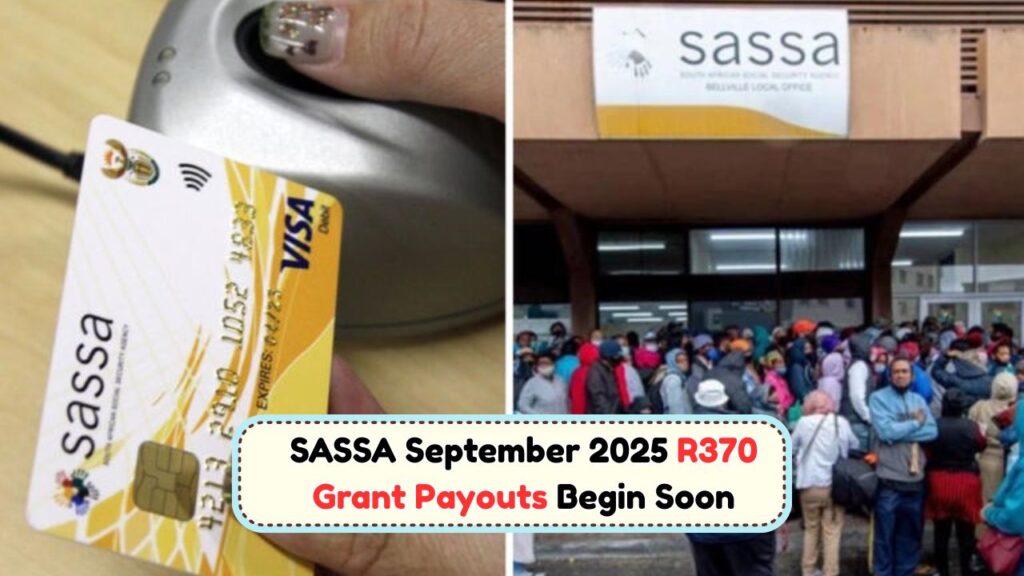
Excitement Surrounds R370 SRD Payments in South Africa: As September 2025 approaches, anticipation is building across South Africa with the implementation of the R370 Social Relief of Distress (SRD) payments. This initiative is set to provide a significant financial lifeline to millions of South Africans, addressing urgent socioeconomic needs. Designed to offer temporary relief to those in precarious financial situations, the R370 SRD grant reflects the government’s commitment to social welfare. The introduction of this payment comes as a welcome relief to many households grappling with the rising cost of living, unemployment, and other financial challenges. The R370 SRD initiative is not just a financial support measure but also a step toward building a more inclusive society where the vulnerable are given a chance to stabilize and improve their circumstances.
Understanding the Impact of R370 SRD Payments in September 2025
The decision to roll out the R370 SRD payments in September 2025 is a strategic one, aimed at mitigating the financial strain faced by many South African families. With millions set to benefit, this grant will provide a crucial economic stimulus to struggling communities. The SRD payments are expected to inject much-needed cash flow into local economies, enabling recipients to cover essential expenses such as food, utilities, and transportation. This initiative not only alleviates immediate financial pressure but also contributes to the broader economic recovery efforts by increasing consumer spending and boosting local businesses. By targeting vulnerable populations, the government aims to address the inequality gap and foster economic resilience. The R370 SRD payments underscore the importance of social security systems in promoting economic stability and social equity.
Eligibility and Application Process for R370 SRD Payments in South Africa
To ensure that the R370 SRD payments reach those in need, the government has outlined clear eligibility criteria and a streamlined application process. Eligible recipients include unemployed individuals, low-income earners, and those who have been adversely affected by economic disruptions. Applicants must provide proof of identity, income status, and demonstrate financial need. The application process is designed to be accessible and efficient, with options for online submissions to accommodate those with limited mobility or living in remote areas. This approach not only simplifies the application process but also reduces administrative bottlenecks, ensuring timely distribution of funds. The government has also emphasized transparency and accountability in the allocation of these payments, with measures in place to prevent fraud and ensure that funds are directed to the rightful beneficiaries.
The Role of R370 SRD Payments in Alleviating Poverty in South Africa
Poverty alleviation is at the heart of the R370 SRD payments initiative. By providing financial support to those most in need, the government is taking concrete steps toward reducing poverty levels and improving living standards. The SRD payments are particularly significant in rural and underdeveloped areas, where economic opportunities are limited, and residents often face higher levels of deprivation. These payments offer a safety net that can help families stabilize their financial situations and avoid falling deeper into poverty. Additionally, the SRD payments empower recipients by granting them the agency to prioritize their spending based on their unique needs, whether it be food, healthcare, or education. This empowerment is a crucial aspect of poverty alleviation, as it enables individuals to make informed decisions that can lead to improved quality of life and long-term socioeconomic mobility.
Future Implications of R370 SRD Payments on South Africa’s Social Policies
The introduction of the R370 SRD payments in September 2025 could have lasting implications for South Africa’s social policies. If successful, this initiative may pave the way for further enhancements in social welfare programs, reinforcing the need for comprehensive social protection systems. As the government evaluates the impact of these payments, there is potential for policy adjustments that could expand or modify the scope of social grants to better address the needs of the population. This could include considerations for permanent basic income models or increased support for specific demographics such as the elderly, disabled, or youth. The R370 SRD payments could also influence public discourse on social justice and economic equality, prompting a reevaluation of how resources are allocated to ensure that every South African has the opportunity to thrive. Ultimately, the success of this initiative could serve as a benchmark for future social policy development, highlighting South Africa’s commitment to creating a more equitable society.