
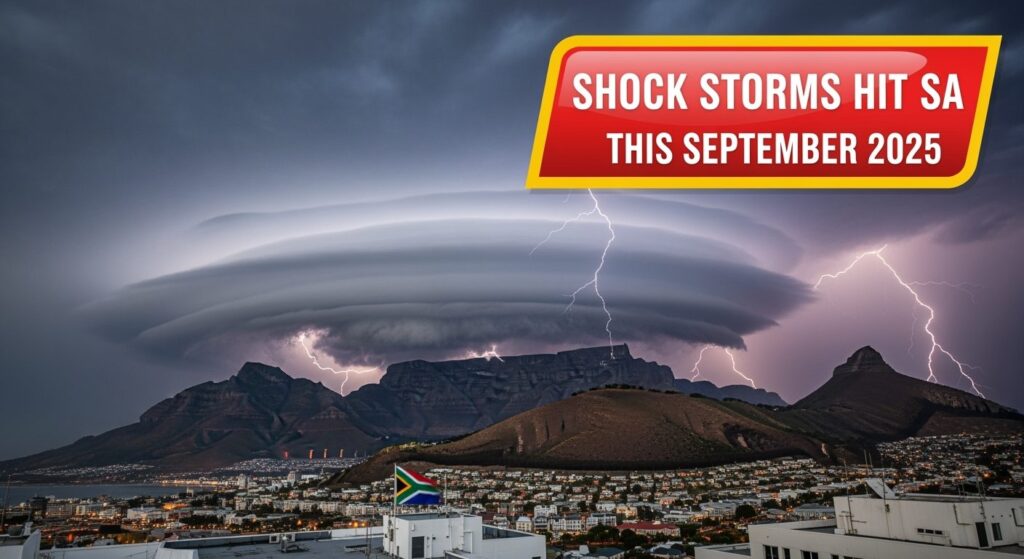
South Africa storm warnings: As we approach September 2025, meteorological authorities across South Africa have released comprehensive regional storm warnings that demand our immediate attention. I’ve been analyzing these reports, and it’s clear that several provinces will face significant weather challenges in the coming month. The South African Weather Service (SAWS) has issued alerts for multiple regions, with particular concern for the Western Cape, Eastern Cape, and KwaZulu-Natal provinces. These South Africa storm warnings indicate a pattern of intense weather systems developing that could bring heavy rainfall, strong winds, and potential flooding to vulnerable areas. Have you started preparing for these weather events yet?
What Are The September 2025 Weather Patterns?
The September 2025 weather forecast for South Africa shows a concerning trend of intensifying storm systems. According to SAWS data, a series of cold fronts will sweep across the Western Cape beginning September 3rd, bringing rainfall totals potentially exceeding 100mm in mountainous regions. The Eastern Cape can expect these systems to arrive approximately 48 hours later, while KwaZulu-Natal may experience severe thunderstorms in the latter half of the month. Central regions including Gauteng and Free State are predicted to face unusually strong wind conditions, with gusts potentially reaching 80-90 km/h. I’m particularly concerned about the timing of these systems, as they coincide with the seasonal transition period when weather patterns can be especially unpredictable and volatile.
Why These Storm Warnings Matter
These South Africa storm warnings shouldn’t be taken lightly. The significance lies in both the intensity and the widespread nature of the predicted weather events. Historical data shows that similar patterns in previous years have resulted in significant infrastructure damage, agricultural losses, and in some cases, loss of life. The 2025 warnings are particularly noteworthy because they affect multiple regions simultaneously, potentially stretching emergency response resources thin. Climate scientists have indicated that these intensifying weather patterns align with broader climate change predictions for the region. For communities in low-lying areas or regions with inadequate drainage systems, these warnings provide crucial lead time to implement flood mitigation measures. Remember that early preparation can make all the difference when facing severe weather events.
How To Prepare For The Forecasted Storms
Preparing for these forecasted storms requires a multi-faceted approach. I recommend starting with securing your property by clearing gutters and drains to prevent water buildup. Trim any dead or weak branches from trees that could become hazardous in strong winds. Create an emergency kit containing essential items like non-perishable food, water, medications, flashlights, batteries, and a first-aid kit. Stay informed by following updates from SAWS and local emergency services through their official channels. Consider these specific preparedness steps:
- Secure outdoor furniture and loose items that could become projectiles in high winds
- Check that your insurance policies are up-to-date and cover weather-related damages
- Identify the safest rooms in your home for sheltering during severe weather
- Establish a communication plan with family members in case you’re separated
If you live in a flood-prone area, consider having sandbags ready and know your evacuation routes in advance.
When To Expect Weather Impacts By Region
The timing of these weather systems varies significantly by region. Western Cape residents should be on high alert from September 3-7, 2025, when the first major front is expected to make landfall. Eastern Cape communities should prepare for impacts between September 5-9, with coastal areas facing the additional risk of storm surge. KwaZulu-Natal’s severe weather window extends from September 12-18, with the highest thunderstorm risk around September 15-16. Northern provinces including Limpopo and Mpumalanga may experience isolated severe weather from September 20-25, though with less intensity than southern regions. I’ve noticed that the forecast models show some uncertainty regarding the exact timing for the interior provinces, so residents of Gauteng, North West, and Free State should monitor updates closely as September approaches.
Real-World Impact: The Cape Town 2023 Precedent
In June 2023, Cape Town experienced a weather system similar to what’s predicted for September 2025. That storm brought 120mm of rain in 24 hours, resulting in widespread flooding that damaged over 800 homes and displaced nearly 2,500 residents. Emergency services were overwhelmed, with response times exceeding four hours in some areas. The economic impact exceeded R300 million in damages. What made this event particularly challenging was that it occurred after a relatively dry period when drainage systems were partially blocked with debris. This historical example underscores why the current South Africa storm warnings must be taken seriously, as similar or worse conditions could develop across multiple regions simultaneously in 2025.